


Simple Cremation in California: A Complete Guide
Losing someone you love is never easy — and when you find yourself responsible for making final arrangements, it can feel overwhelming. There's so much to figure out in a short amount of time. If you're considering cremation for yourself or a loved one in California, this guide is here to walk you through everything you need to know, from the laws and the process to your available options and how to plan ahead.
The good news? Cremation in California doesn't have to be complicated or expensive. Let's break it all down.
What Is Direct Cremation?
Direct cremation is the simplest and most affordable form of cremation available. It skips the traditional funeral service, viewing, or visitation, and focuses on one thing: returning your loved one's cremated remains to the family with dignity and care.
There are no elaborate arrangements to coordinate, no expensive caskets to choose from, and no pressure to purchase services you don't need. For many California families, direct cremation is a practical, meaningful choice — one that still allows for a personalized memorial on your own terms and timeline.
Is Cremation Legal in California?
Yes, cremation is completely legal in California and is one of the most commonly chosen end-of-life options in the state. California has specific regulations governing the cremation process to protect families and ensure every cremation is handled with the highest standards of care.
Here are a few key legal points to know when cremating in California:
- Cremation authorization is required. Before cremation can take place, a legally authorized person — typically the next of kin — must sign a cremation authorization form. This ensures that the family has given their informed consent.
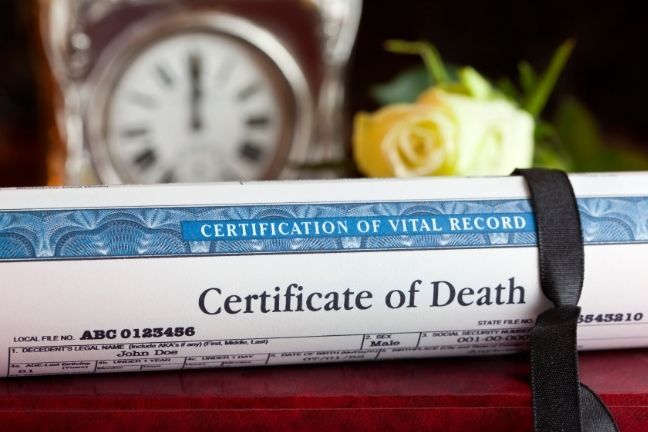
- A death certificate must be filed. The death must be officially registered with the county before cremation can proceed. A licensed funeral director or cremation provider will handle this on your behalf.
- A waiting period applies. California law requires a minimum waiting period before cremation can be performed. This window allows time for paperwork to be completed and verified.
- Only one cremation at a time is permitted. It is illegal in California to cremate more than one person at once. Reputable cremation providers strictly follow this rule.
- Embalming is not required for cremation. In fact, it is against California law for a funeral home to tell you otherwise. You are not obligated to embalm a loved one prior to cremation.
- A casket is not required. A simple alternative container — such as a cardboard cremation container — is all that is legally needed.
Understanding these laws upfront gives you peace of mind that the process will be handled properly and ethically.
The Step-by-Step Cremation Process in California
Wondering exactly what happens from the moment of passing to when you receive the cremated remains? Here's a clear, step-by-step breakdown of what the cremation process looks like when you work with a trusted cremation service in California.
Step 1: Notify the Cremation Provider
As soon as a death occurs, your first call should be to your chosen cremation provider. A reputable California cremation service will have a team available 24 hours a day, 7 days a week — because loss doesn't follow a schedule. You can make arrangements by phone or, in many cases, online. This initial contact starts the entire process.
Step 2: Transfer of Your Loved One
Once arrangements have been confirmed, the cremation provider will send a licensed professional to transport your loved one from the place of death — whether that's a home, hospital, hospice, or care facility — into their care. This transfer is handled with the utmost respect and professionalism.
Step 3: Identification and Documentation
Throughout the entire process, proper identification of your loved one is maintained. A tracking system — often a metal identification tag — stays with the individual from the moment of transfer through the completion of cremation. This ensures that the remains you receive are always and without question those of your loved one.
At this stage, the cremation authorization form and other required documents are completed and signed by the legally authorized family member.
Step 4: Filing the Death Certificate
Your cremation provider will register your loved one's death with the appropriate county and obtain certified copies of the death certificate on your behalf. You'll typically need several certified copies for settling the estate, closing accounts, and handling insurance claims, so it's a good idea to request more than you think you'll need.
Step 5: The Cremation
The actual cremation takes place in a cremation chamber — also called a retort — using high heat and flame, typically between 1,500°F and 2,000°F. For an average-sized adult, the process takes approximately two to three hours. Only one individual is cremated at a time, always.
Step 6: Processing the Cremated Remains
After cremation is complete, the remaining bone fragments are carefully swept from the chamber. Any metal items — such as surgical implants or joint replacements — are separated from the remains. The bone fragments are then processed into a finer, uniform consistency (what most people refer to as "ashes") and placed into a temporary container or the urn of your choosing.
Cremated remains typically resemble coarse, whitish-gray sand, and the remains of an average adult weigh between four and eight pounds.
Step 7: Return of Cremated Remains
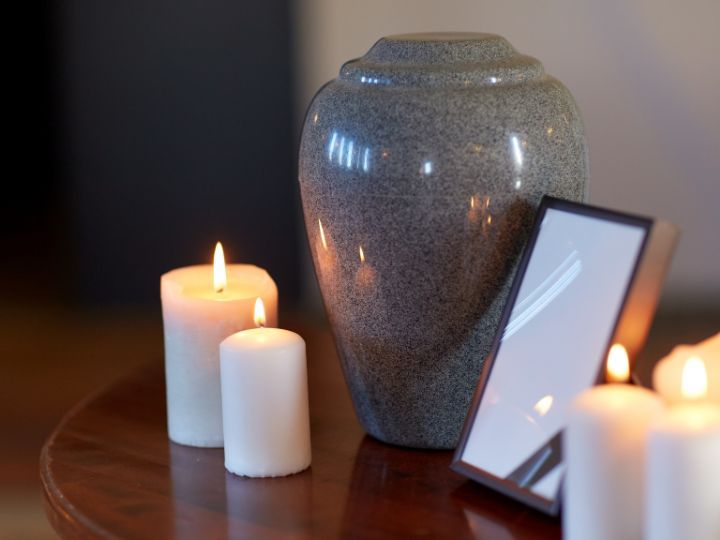
The final step is returning your loved one's cremated remains to your family. This can be done through pickup at the facility or, in some cases, via delivery. From here, you have complete freedom in how you choose to memorialize your loved one — whether that means scattering, interment, keeping the urn at home, or dividing the remains among family members.
Cremation Options Available in California
Not all cremations are the same. When you begin exploring cremation service CA providers, you'll find a few different options to consider:
Direct Cremation As mentioned above, this is the simplest and most affordable option. There is no formal viewing or funeral service prior to cremation. Many families opt to hold a separate, informal memorial gathering after the fact, which gives everyone more time to plan and participate.
Cremation with a Viewing Some families want the opportunity to say goodbye in person before cremation takes place. This option includes a brief, private viewing at the cremation facility — typically with immediate family only. The body is washed, dressed, and prepared for the viewing beforehand. Note that embalming is still not required.
Cremation with a Memorial Service This option separates the cremation itself from the formal service. The cremation happens first, and a full memorial service — complete with the urn present — is held afterward. This works particularly well for families who need a little more time to gather from out of town.
Witnessed Cremation California allows family members to be present at the cremation if they wish. This can be a meaningful and healing experience for some families. If this is something you're interested in, ask your provider about the details and availability.
Key Considerations Before Choosing Cremation in California
Before you finalize your decision, here are a few important things to think through:
Religious and cultural preferences. While cremation is widely accepted across many faiths and cultures, some religious traditions may have specific guidelines or restrictions. If this is relevant to your family, it's worth checking with a spiritual leader before making arrangements.
What to do with the remains. California law allows for a number of options for final disposition of cremated remains, including keeping them at home, interring them in a cemetery or columbarium, scattering them at sea (at least three nautical miles from the shore, per state law), or scattering them on private property with the landowner's permission.
Who has legal authority to authorize cremation. California follows a specific order of next-of-kin when determining who can legally authorize cremation. In general, this begins with a surviving spouse or domestic partner, then adult children, then parents, and so on. If there is any family disagreement, cremation cannot proceed until it is resolved.
Choosing a licensed provider. Always verify that your cremation service CA provider is licensed by the California Cemetery and Funeral Bureau. Ask for a General Price List — providers are legally required to give you one upon request.
Costs and what's included. Cremation costs in California vary depending on the provider and the services included. Be sure you understand exactly what is and isn't covered before signing anything. Ask about any additional fees that might apply — for example, after-hours transfers, transportation distance, or the weight of the deceased.
Cremation Plans: Pre-Planning in California
One of the most thoughtful things you can do for your family is to pre-plan your cremation. When you make arrangements in advance, you remove the burden of decision-making from your loved ones during an already difficult time — and you lock in today's pricing, protecting your family from future cost increases.
Pre-planning doesn't mean pre-paying, though that option is available. It can simply mean documenting your wishes so your family knows exactly what you want. Most California cremation providers offer pre-planning consultations, either in person or online.
When pre-planning, consider:
- Which cremation option you prefer
- Your wishes for the cremated remains
- Whether you'd like a memorial service and what that should look like
- Any personal touches, such as a specific urn or a meaningful scattering location
Having these conversations now — as uncomfortable as they might feel — is one of the greatest gifts you can give your family.
Why Families in Southern California Trust Shoreline Cremation Society
If you're looking for a compassionate, straightforward cremation service in California, Shoreline Cremation Society is worth a call. Based in Long Beach and serving families throughout all of Southern California, Shoreline is built around one simple idea: making this process as easy and affordable as possible for the families they serve.
Their all-inclusive direct cremation package starts at $995 and covers everything — from the transfer of your loved one to the filing of the death certificate and the return of cremated remains. No hidden fees, no pressure, no unnecessary extras. Just honest, dignified care when you need it most.
Shoreline maintains an on-site crematory, meaning your loved one stays in their care from beginning to end. Their licensed professionals are available 24/7, and arrangements can be made entirely online or over the phone — whichever is easiest for your family.
Whether you've just experienced a loss or you're thinking ahead, Shoreline Cremation Society is ready to help. Reach them anytime at (562) 349-2233 or visit shorelinecremationsociety.com to learn more or start arrangements.
Final Thoughts
Cremation in California is a straightforward, legal, and increasingly popular choice for families seeking a simple, dignified, and affordable farewell. By understanding the laws, the process, and your available options, you can make a decision that feels right for your family — without added stress or confusion.
Whether you're planning ahead or navigating an immediate loss, you don't have to figure it all out on your own. The right cremation provider will walk you through every step, answer every question, and be there for your family every step of the way.