


How to Choose the Right Cremation Urn
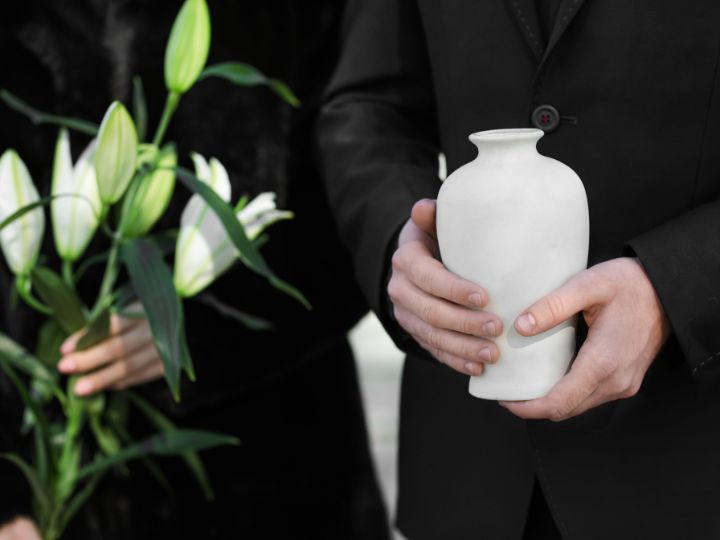
Losing someone you love is never easy, and even the smallest decisions can feel overwhelming when you're grieving. One of those decisions choosing a cremation urn — is more meaningful than most people realize. It's not just a container. For many families, it becomes a lasting symbol of a life well-lived and a love that doesn't end.
Whether you're planning ahead or navigating the loss of someone dear to you, this guide is here to help you feel confident about your urn options. There's no rush, no pressure — just simple, honest information to help you choose something that truly fits.
What Is a Cremation Urn, and Why Does It Matter?
After cremation, your loved one's remains — often called "cremains" or "ashes" — are returned to you in a container. Most providers, including Shoreline Cremation Society, include a basic durable plastic urn as part of their cremation package. For many families, that's perfectly fine — especially if you're planning to scatter the ashes or transfer them to a permanent urn later.
But if you'd like something more personal — something that reflects who your loved one was — choosing the right urn is worth taking the time to think through.
Things to Consider When Choosing an Urn
1. What Will You Do With the Remains?
This is the most important question, and it shapes every other decision. Think about:
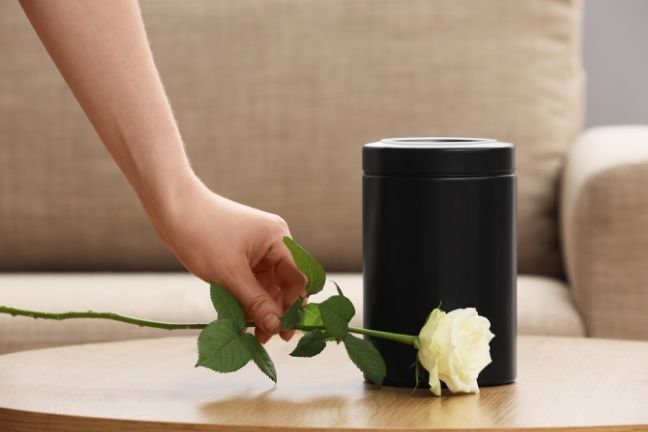
- Keeping the urn at home — If the urn will be displayed on a mantle or shelf, you'll want something durable, beautiful, and meaningful to look at every day.
- Placing it in a columbarium or mausoleum — Many cemeteries have size requirements for niches, so measure before you buy.
- Scattering the ashes — In this case, a temporary or biodegradable urn may be the most practical and eco-friendly choice.
- Dividing the remains — If multiple family members want to keep a portion, companion urns or keepsake urns can hold smaller amounts.
- Burial — Some families choose to bury the urn. If so, look for urns made from biodegradable materials, or ones specifically designed for in-ground burial.
Knowing the intended use upfront will save you from having to make additional purchases later.
2. Size and Capacity
Cremation urns are typically measured in cubic inches. As a general rule of thumb, one pound of body weight equals roughly one cubic inch of cremains. So for an adult who weighed 150 pounds, you'd want an urn with at least 150 cubic inches of capacity.
Common urn sizes include:
- Standard adult urns — Usually 200 cubic inches or more, suitable for most adults.
- Companion urns — Larger urns designed to hold the remains of two people.
- Keepsake urns — Small urns meant to hold a portion of the remains, often shared among family members.
- Infant or child urns — Smaller in size and often crafted with extra care and tenderness.
When in doubt, go slightly larger. It's easier to have extra room than to discover the urn is too small.
3. Material
Urns come in a wide range of materials, each with its own look, feel, and purpose.
Here are the most common options:
- Wood — Warm, natural, and timeless. Wood urns work beautifully for home display and can often be engraved with names, dates, or meaningful quotes.
- Metal (brass, bronze, aluminum, stainless steel) — Durable and elegant. Metal urns are a popular choice for columbarium placement and long-term storage.
- Ceramic or porcelain — Often handcrafted and artistically designed, these are ideal for display. They tend to feel more personal and one-of-a-kind.
- Marble or stone — Heavier and more substantial, stone urns convey a sense of permanence and dignity.
- Biodegradable materials (bamboo, paper, salt, sand) — Perfect for scattering ceremonies or water burials. These urns break down naturally over time.
- Glass — Artistic blown-glass urns are among the most striking and unique options available, often made to order.
There's no "right" material — it comes down to your loved one's personality, your family's preferences, and how the urn will be used.
4. Personalization
One of the most meaningful things you can do is choose an urn that tells a story.
Many of the best urns in 2026 offer personalization options such as:
- Engraving — A name, date of birth and passing, or a short quote
- Custom artwork or photos — Some urns can be crafted or printed with images that reflect your loved one's passions
- Themed designs — From nature scenes and military insignia to religious symbols and sports motifs, there are urns designed to celebrate specific interests or identities
- Custom shapes — Some artisan makers create urns in unique forms, such as books, hearts, or objects tied to a loved one's hobby
Personalization isn't required, but it can bring a great deal of comfort — especially for children or grandchildren who may not have many tangible keepsakes.
5. Budget
Urns range widely in price. A basic urn may cost anywhere from $25 to $100, while handcrafted or custom-made urns can run several hundred dollars or more. It's important to remember that price doesn't determine meaning. A simple wooden urn, carefully chosen, can be just as honoring as an elaborate one.
If you're working within a tight budget — which many families are — know that the basic plastic urn included with most direct cremation packages is a dignified, practical option while you take the time to decide on something permanent.
6. Where to Buy Urns
Knowing where to buy urns can feel confusing, especially when you're grieving.
Here are the most common options:
- Funeral homes with urns on-site — Many funeral homes and cremation providers carry a selection of urns and can help you choose in person. This is often the most convenient option.
- Online retailers — Websites like Amazon, Foreverence, and Urns Northwest offer a wide variety of styles and price points, often with quick shipping.
- Artisan or custom urn makers — If you want something truly unique, independent artists and small businesses specialize in handcrafted, one-of-a-kind urns.
- Cemetery gift shops or columbarium offices — If you're planning niche placement, the cemetery itself may offer urns that meet their size requirements.
Shopping early — especially if you're pre-planning — gives you more time to find exactly what you're looking for without the pressure of time.
Don't Overlook the Value of a Cremation Package
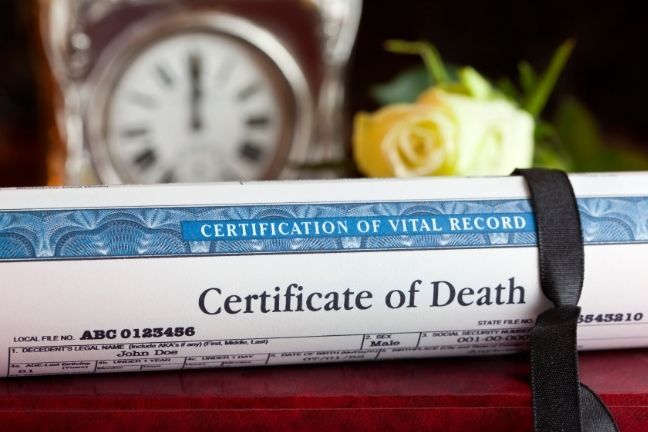
If you haven't made arrangements yet, it's worth considering a complete cremation package rather than piecing everything together separately. A good direct cremation package typically includes transportation, filing of the death certificate, the cremation itself, and a basic urn — all for a straightforward, all-inclusive price.
At Shoreline Cremation Society, our direct cremation package starts at just $995 and includes everything your family needs, including a basic durable urn. From there, families can choose to upgrade to a personalized urn at any time — and we're happy to help you navigate those options.
Planning ahead with a package means fewer decisions to make under emotional stress, and it ensures your family is taken care of without unexpected costs.
A Few Final Thoughts
Choosing an urn doesn't have to be complicated or stressful. When you take it one step at a time — thinking about where the urn will go, what size you need, and what materials or designs feel right — the decision becomes much more manageable.
Most importantly, there's no wrong answer. Whatever you choose, what matters most is that it feels right for your family and honors the person you loved.
If you have questions about urn options or want to learn more about our cremation packages, the team at Shoreline Cremation Society is available 24/7. You can reach us at (562) 349-2233 or arrange online at your own pace. We're here to help — simply and compassionately.