


Choosing Between Direct Burial and Direct Cremation

When someone you love passes away, you're often asked to make big decisions in a very short window of time and one of the first is how to lay them to rest. If you've been researching your options, you've probably come across two terms again and again: direct burial and direct cremation. Both are simple, no-frills alternatives to a traditional funeral, but they're not the same thing, and the right choice really depends on your family's budget, beliefs, and circumstances.
Let's walk through what each option actually involves, so you can make the decision that feels right for your family.
What Is Direct Burial?
Direct burial means your loved one is buried shortly after death, without embalming and without a viewing, visitation, or funeral service beforehand. The body is placed in a simple casket or burial container and taken directly to the cemetery for burial. Any memorial service, if the family wants one, typically happens afterward, at the graveside or elsewhere, on your own timeline.
Because it skips embalming, cosmetic preparation, and the rental of a chapel or event space, direct burial tends to cost less than a traditional funeral with viewing. That said, it usually still involves cemetery costs, a burial plot, a vault or grave liner (often required by the cemetery), and opening and closing fees which can add up.
What Is Direct Cremation?
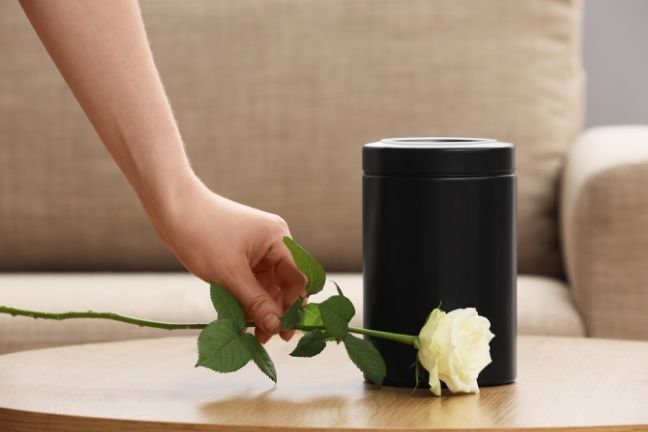
Direct cremation is similar in spirit but different in outcome. Rather than being buried, your loved one is cremated shortly after death, again without embalming, viewing, or a formal service beforehand. The cremated remains are returned to the family in an urn or simple container, and you decide what happens next, whether that's keeping the ashes at home, scattering them somewhere meaningful, placing them in a columbarium, or holding a memorial service whenever and wherever you'd like.
Direct cremation is generally the more affordable of the two options, since it doesn't involve cemetery plots, vaults, or burial fees. It also offers a lot of flexibility, there's no rush to plan a service, and no need to choose a permanent resting place right away if you're not ready to.
Cremation vs. Burial: Key Differences at a Glance
- Cost: Direct cremation is typically less expensive than direct burial, mainly because it avoids cemetery-related expenses.
- Timeline: Both are quicker to arrange than a traditional funeral, but cremation often allows even more flexibility for scheduling a memorial later.
- Permanence: Burial provides a fixed, physical location families can visit. Cremation gives you options — scattering, keeping ashes at home, or interring them at a later date.
- Environmental footprint: Some families weigh cremation and burial differently when it comes to land use and environmental impact, and there's no universally "right" answer here — it comes down to personal values.
Considerations Beyond the Basics
Budget
For many families, cost is the deciding factor, and that's completely understandable. Direct cremation packages are often priced well below traditional burial once you factor in plots, vaults, and cemetery fees. If affordability is a top priority, it's worth getting a clear, itemized price list from any provider you're considering so there are no surprises later.
Religious and Cultural Beliefs
Faith and tradition play a huge role in this decision for a lot of families. Some religions have long-standing teachings that favor burial, while others are more accepting of cremation, or even prefer it. If your family follows specific religious guidelines, it's worth talking with your clergy or spiritual advisor early in the process, so your choice honors both your loved one's wishes and your community's traditions.
What Your Loved One Wanted
If your family member expressed a preference before they passed, whether in writing or in conversation, that wish deserves real weight. Pre-planning takes a lot of pressure off surviving family members, since the hardest decisions have already been made.
Availability in Your Area
Here's something that doesn't get talked about enough: not every provider offers both services, and not every area has convenient access to both. Some funeral homes specialize in burial, others focus on cremation, and availability can vary quite a bit depending on where you live. Before you settle on a plan, it's worth confirming that a provider can actually deliver the service you're picturing, without unexpected delays or added transportation costs.
If Direct Cremation Feels Right for Your Family
If, after weighing everything, direct cremation feels like the right fit, Shoreline Cremation Society is here to help. We specialize in affordable, dignified direct cremation throughout Southern California, with all-inclusive packages and a team available 24/7 to answer your questions and guide you through the process, whether you're making arrangements right now or planning ahead. You can start arrangements online or give our care team a call anytime.
Frequently Asked Questions
Is direct cremation cheaper than direct burial?
Generally, yes. Direct cremation avoids cemetery costs like plots, vaults, and opening and closing fees, which makes it the more budget-friendly option for most families.
Can we still have a memorial service with direct cremation or direct burial?
Absolutely. Both options simply separate the cremation or burial itself from any service. You're free to plan a memorial, celebration of life, or graveside gathering whenever and wherever works for your family.
Does my religion allow cremation?
It depends on your specific faith and denomination. Some religious traditions permit cremation, others prefer burial, and some have specific requirements either way. It's best to check with your religious leader for guidance.
How do I know which providers offer direct cremation in my area?
A quick search or a phone call to local providers will tell you what's available near you. Shoreline Cremation Society proudly serves families throughout Southern California, reach out anytime if you'd like to know more about how we can help.